The Spreadsheet Became the Product Manager
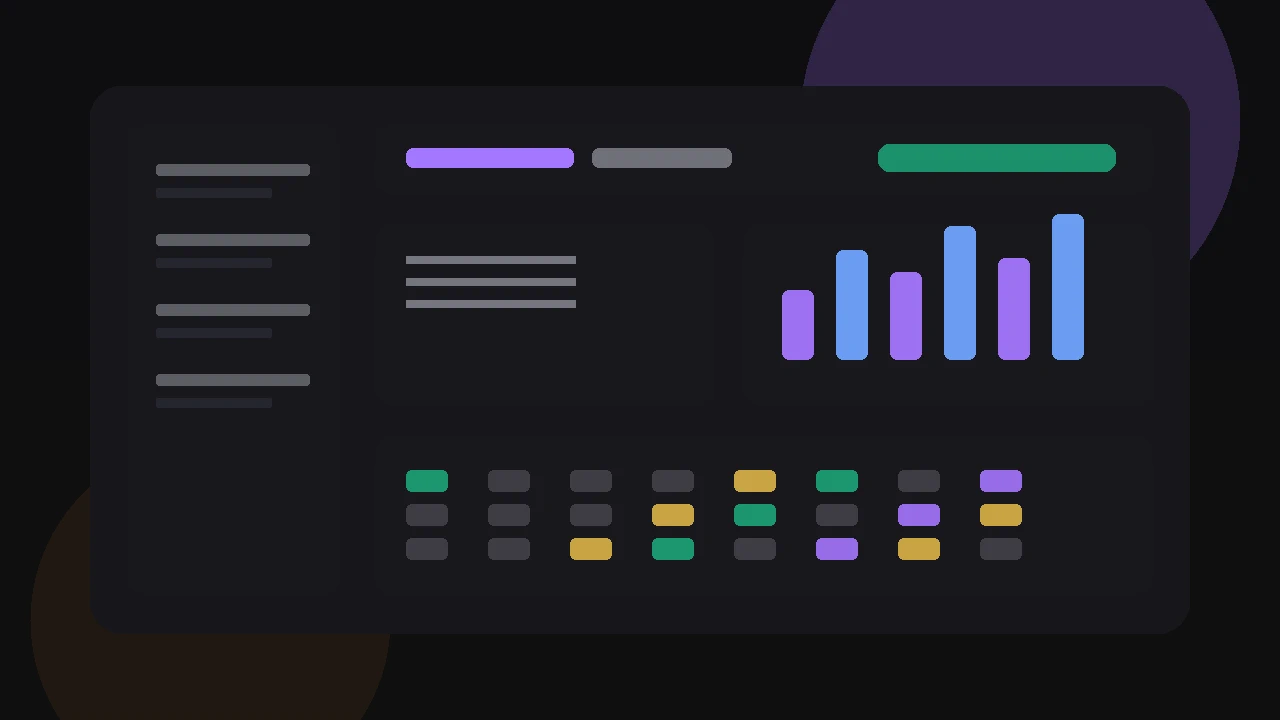
Attendance lived in a paper register, payments lived in a spreadsheet, and renewals surfaced in WhatsApp when someone happened to remember. The dashboard was designed around the three questions the owner actually asked every day: who came in, who owes money, and whose membership is about to expire.
The Scanner Stayed Separate
QR attendance runs as a dedicated full-screen scanner on a low-cost front-desk device instead of being buried inside the admin dashboard. It needs only to identify a member and log entry or exit; staff do not need access to revenue or member management just to scan a code. Separating the kiosk workflow also keeps the busiest interaction fast and difficult to misuse.
Revenue Needed a Memory
Each subscription stores the plan price at the time of sale alongside what was paid and what remains due. Referencing the current plan price would quietly rewrite history whenever pricing changed, which is an exciting feature in accounting software for all the wrong reasons. Price snapshots keep past revenue accurate while supporting daily, weekly, monthly, and quarterly plans.

Surface Money and Expiry First
The dashboard prioritises current members, today's check-ins, active subscriptions, month-to-date revenue, pending dues, and upcoming expiries before the activity feed. Responsive table and card views keep the same data usable on desktop and mobile. The result replaced the fragmented workflow with one operational view and reduced front-desk attendance to a single scan.